
3 weeks to kidding
As we move into the final stretch before kidding season, preparation on the farm becomes less visible — but no less important.
There are no big checklists taped to the wall, no sense of urgency echoing through the barn. Instead, our focus shifts to creating an environment that feels steady and familiar. Fresh bedding. Adjusted feed. Clean, quiet spaces where each doe can rest comfortably and move as she needs to.
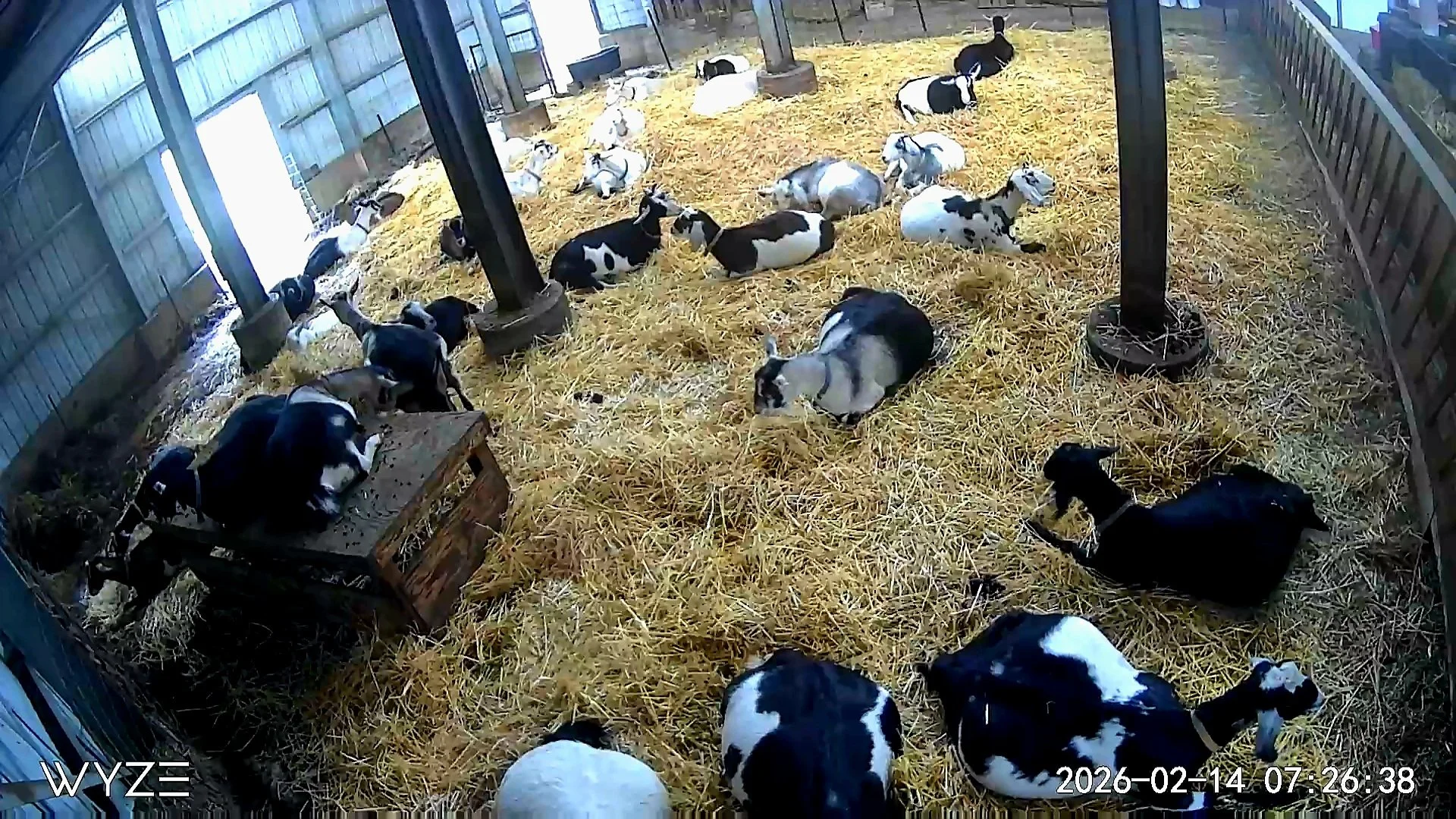
This is also when we tend to the behind-the-scenes details. Barn cameras are cleaned, tested, and positioned so we can keep an eye on things from a distance — and overnight, if needed.
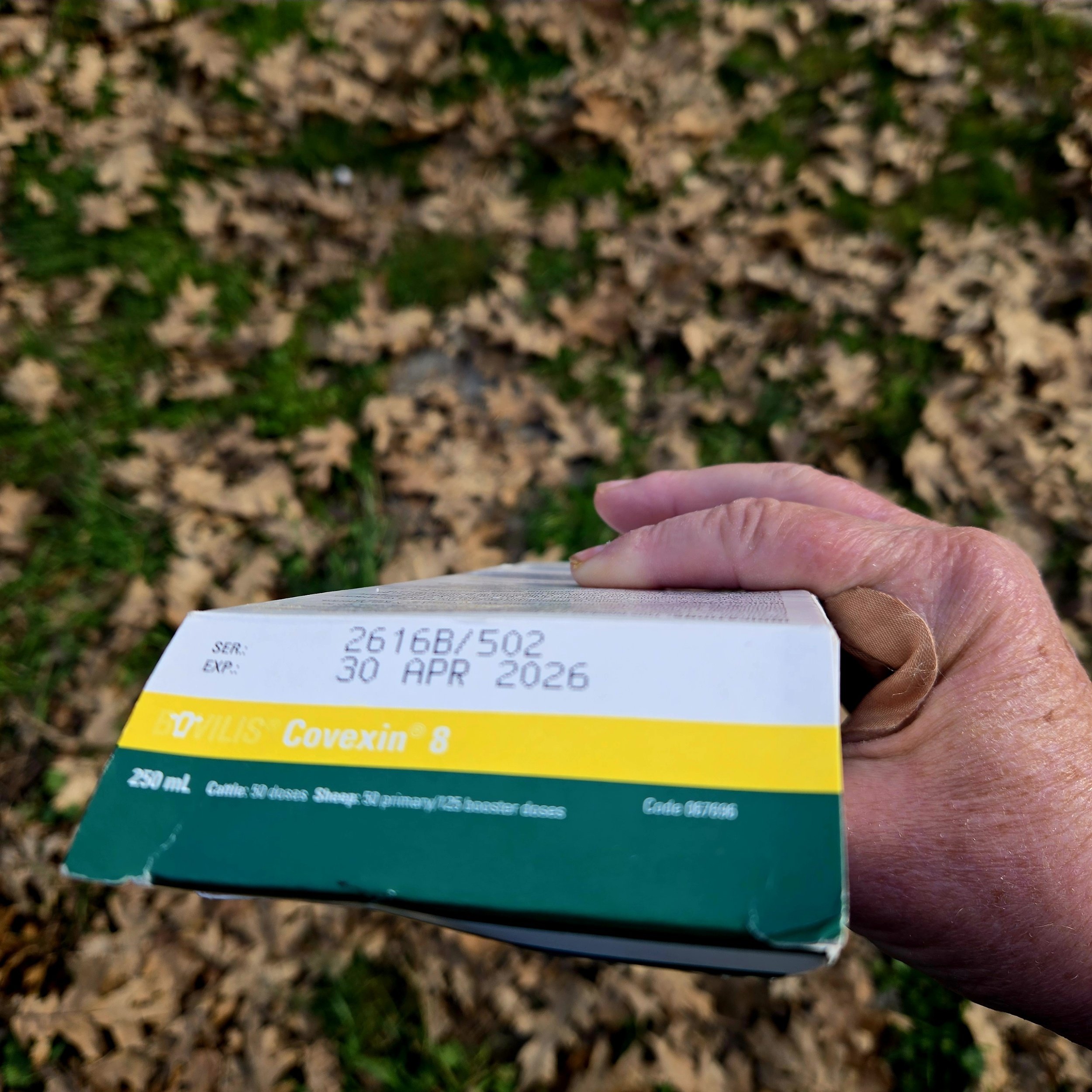
Each mom gets vaccinated 2 to 6 weeks before kidding. This protects her and her kids. I am sure we will use up this box before it expires :)
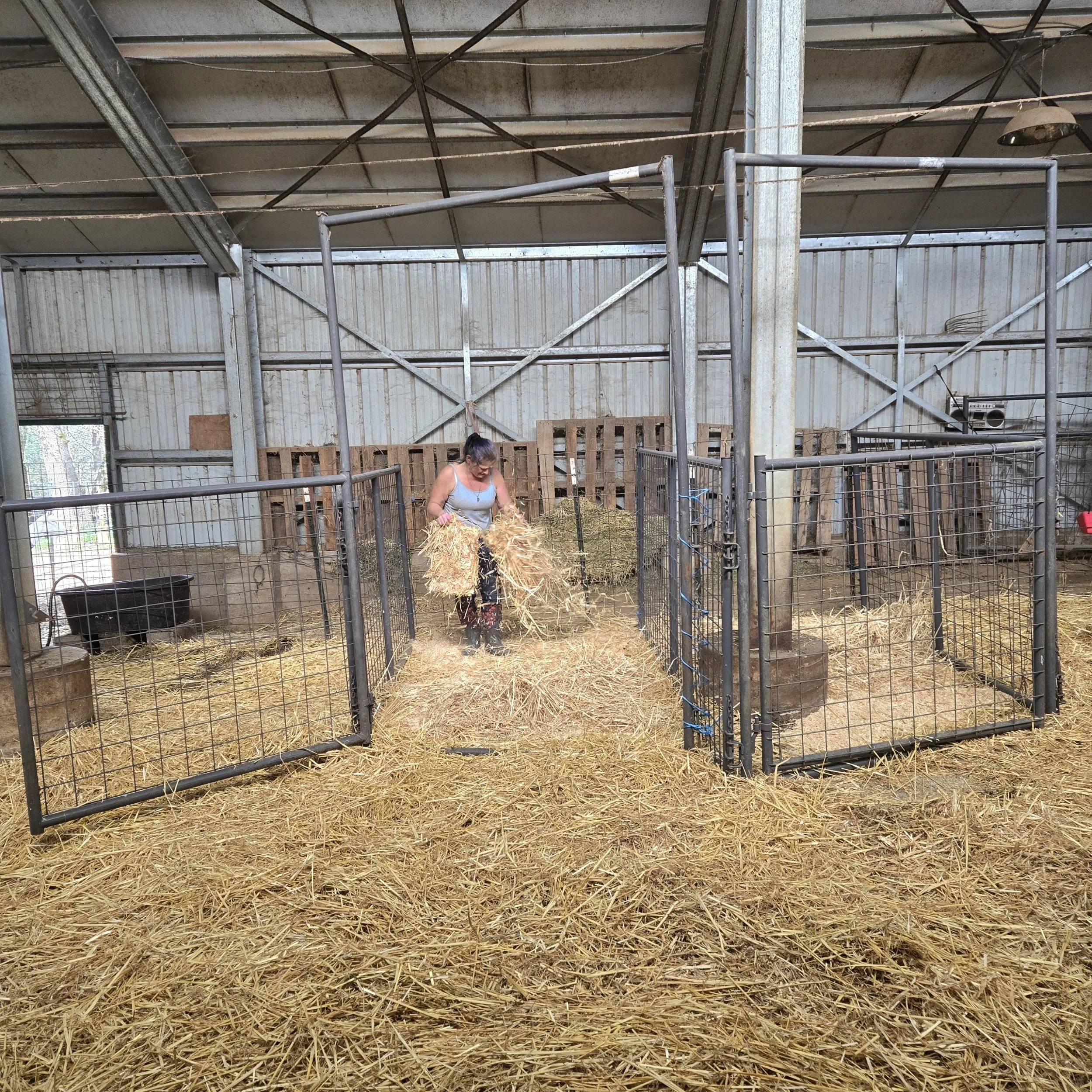
Individual kidding pens are set up with space, privacy, and calm in mind. It is also much easier to keep an eye on them from a distance if you don’t have to search for them on camera. We have a dedicated video cam just for the kidding pens.
Nearby, we gather the simple tools we’ll rely on in the weeks ahead: stacks of cloth towels, iodine and scissors for clipping and dipping navels, and paper collars to slip onto newborn kids. When many babies arrive within a short window, even the most attentive mothers can momentarily lose track of who belongs to whom in a busy barn.
There’s a clipboard, too — ready to record birth times and notes — and the veterinarian’s number tucked safely in a back pocket, just in case.
The first group to kid this year will be our senior does — goats two years and older who have done this before. These are experienced mothers, and we trust them deeply. While we do our best to be present for each birth, these moms will be raising their own kids. They won’t be bottle babies. (We’ll share more about that choice in a future post.)
This part of the season is where doing less matters more.
We spend time simply watching — noticing how everyone settles in for the night, who prefers the corner, who chooses to stay closer to the herd.
Goats are remarkably capable mothers. Our role is to be ready, but not rushed. Present, but not imposing.
Next week, we’ll share some of the subtle signs we watch for when kidding is close — the little changes that tell us it’s almost time.
Thank you for being here and for caring about these animals and this work as much as we do.
With gratitude,
Charley & MaryLisa
Jollity Farm